What the latest research says — and what you can do about it.
If your child has ADHD, you've probably tried a lot of things. Routines, reward charts, medication conversations, school meetings. And yet some challenges — the clumsiness, the emotional meltdowns, the difficulty sitting still — just won't budge.
Here's something that might surprise you: a growing body of research suggest that Retained Primitive Reflexes could be quietly fuelling some of those very symptoms.
What are Primitive Reflexes?
Primitive Reflexes are automatic movements that develop in the womb and are essential for a baby's survival in the first months of life. The Moro Reflex (the startle response), the ATNR (Asymmetrical Tonic Neck Reflex), and the STNR (Symmetrical Tonic Neck Reflex) are just a few examples.
In typical development, these reflexes are gradually "switched off" — or integrated — by the brain as a child grows. But for many children with ADHD, autism, and other neurodevelopmental differences, some of these reflexes remain active well beyond infancy.
When that happens, the brain is essentially still running old, automatic programs in the background — and that takes up a lot of processing power.
What Does the Research Say?
Recent studies are shedding new light on the connection between Retained Primitive Reflexes and ADHD symptoms.
A 2024 study published in Frontiers in Neuroscience found that children with ADHD showed significantly higher rates of retained reflexes — particularly the Moro and ATNR — compared to neurotypical peers. Importantly, children who participated in a structured vestibular and rhythmic movement program showed measurable reductions in retained reflexes after just 12 weeks, alongside improvements in attention, impulse control, and emotional regulation.
Another 2025 study in the Journal of Attention Disorders followed children aged 6-12 with ADHD diagnoses through a 16-week primitive reflex integration program. Parents and teachers reported improvements in:
-
- Focus and Sustained Attention in classroom settings
- Emotional Regulation — fewer meltdowns and faster recovery
- Coordination and Gross Motor Skills — less tripping, bumping, and fidgeting
- Handwriting and Fine Motor Control
Researchers noted that the improvements were most pronounced in children who also had sensory processing differences — a common co-occurence with ADHD.
Why Does This Matter for ADHD?
Think about it this way: if your child's nervous system is still responding to a retained Moro Reflex, their brain is constantly on high alert — scanning for danger, flooding the body with cortisol, and making it nearly impossible to filter out distractions or regulate big emotions.
That's not a behaviour problem. That's a nervous system that hasn't had the chance to fully mature.
Primitive Reflex Integration Therapy works by gently and repeatedly stimulating specific movement patterns that help the brain "complete" the developmental process it missed. Over time, this can reduce the neurological load that contributes to ADHD-related challenges.
What Does This Look Like in Practice?
Primitive Reflex Integration isn't a one-size-fits-all program. When delivered well, it's:
-
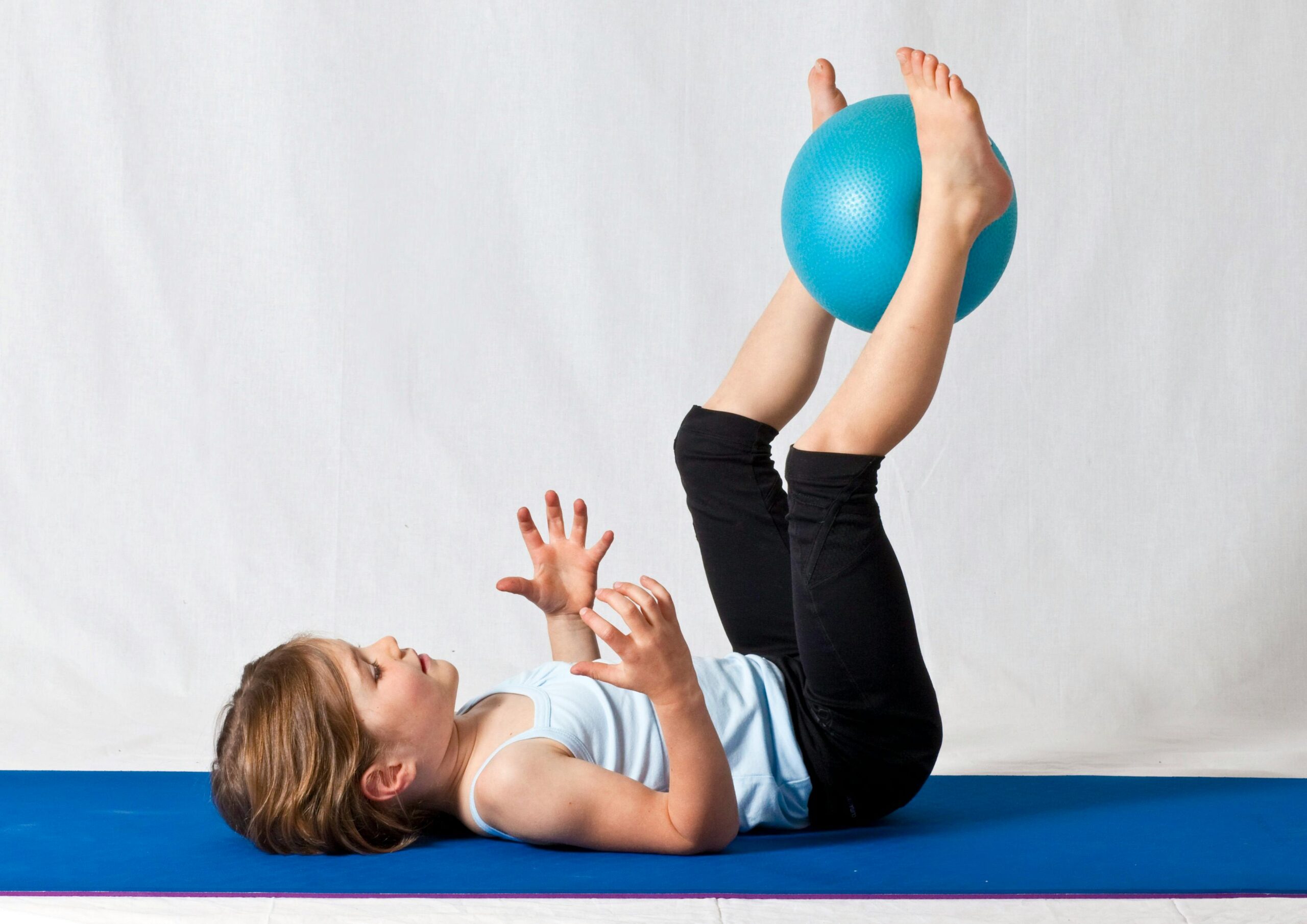
- Child-Led and Play-Based — movements are embedded in fun, engaging activities
- Low-Demand and Low-Pressure — especially important for children with PDA or high anxiety
- Multidisciplinary — often delivered alongside occupational therapy or exercise physiology
- Gradual and Consistent — most programs run over 3-6 months, with progress reviewed regularly
No formal diagnosis is required to explore this approach, and many families notice meaningful changes within the first few months — not just in behaviour, but in confidence and wellbeing.
A Note for Parents
This isn't about "fixing" your child. Neurodiversity is not a problem to be solved. But when a retained reflex is creating unnecessary friction in your child's daily life — making it harder to learn, connect, or feel calm — supporting their nervous system to mature is a gift, not a correction.
If your child struggles with emotional regulation, coordination, focus, or sensory sensitivities alongside their ADHD, it may be worth exploring whether Primitive Reflex Integration could be part of their support plan.
This article was written by Melissa Biedak, Founder, Neurodiverse Playhouse — a neurodiversity-affirming therapy practice with clinics in Brisbane, Melbourne, and the Gold Coast. We offer play-based occupational therapy, exercise physiology, and primitive reflex integration programs for children and young people aged 2-25. No diagnosis required.